
Finance
-
Why Bank Reconciliations Are One of the Most Important Accounting Controls
Bank reconciliations are a vital accounting control that helps businesses identify errors, missing transactions, duplicate payments, timing differences and potentially fraudulent activity. Discover why regular bank reconciliations are essential for accurate financial records and effective cash management.
-

How a Growing Business Can Run Out of Cash While Making a Profit
A business can be profitable and still run out of cash. Learn how rapid growth, unpaid invoices, inventory, supplier payments, debt and working capital can create cash flow problems—and how businesses can protect their cash while continuing to grow.
-

Why Revenue Growth Can Sometimes Create Financial Problems
Revenue growth is usually seen as a positive sign, but growing sales can sometimes create unexpected financial problems. Learn how rapid growth can increase cash-flow pressure, working capital requirements, operating costs, debt, and financial risk.
-
How Accountants Use Patterns to Detect Financial Mistakes
Financial mistakes can be difficult to spot when reviewing transactions individually. Discover how accountants use patterns, trends, comparisons, and unusual financial activity to identify errors, duplicate transactions, missing entries, and inconsistencies in financial records.
-
What Happens to the Accounts When a Customer Never Pays an Invoice?
What happens when a customer never pays an invoice? Learn how unpaid invoices affect accounts receivable, bad debt expense, credit loss allowances, write-offs, cash flow, and financial statements.
-

What Happens When a Business Cannot Explain a Number in Its Financial Statements?
What happens when a business cannot explain a number in its financial statements? Discover why unexplained balances occur, how accountants trace them back to their source, and the potential impact on audits, taxes, business decisions, and financial reporting.
-
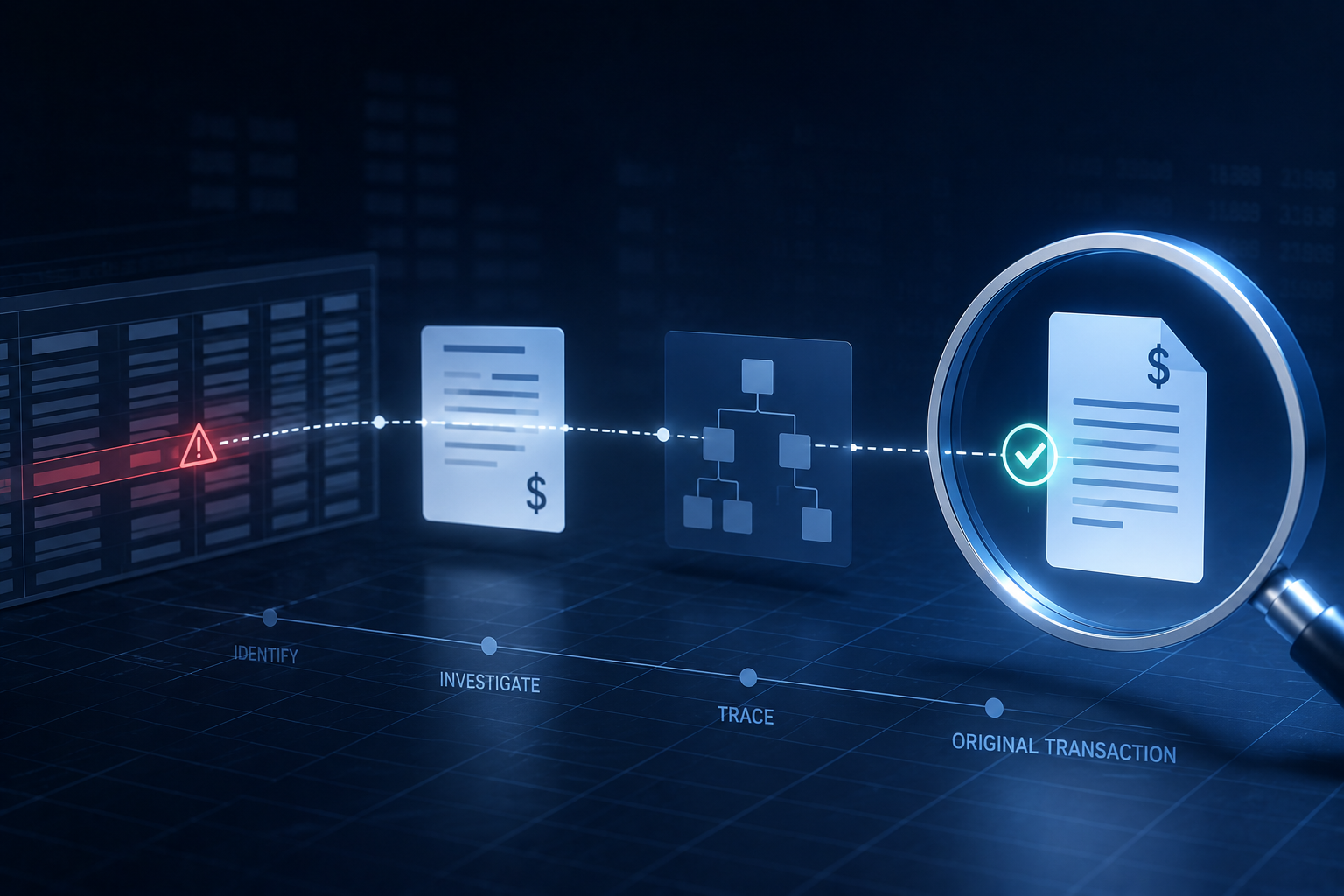
How Accountants Trace an Error Back to Its Original Transaction
Discover how accountants trace errors back to their original transactions. Learn the step-by-step process of using reconciliations, general ledgers, audit trails, source documents, and financial analysis to identify and correct accounting mistakes.
-

Why Your Profit and Loss Statement Changes After Your Accountant Reviews It
Wondering why your profit and loss statement changes after your accountant reviews it? Discover the common accounting adjustments behind changes in profit, including accruals, prepayments, depreciation, inventory and reclassifications.
-
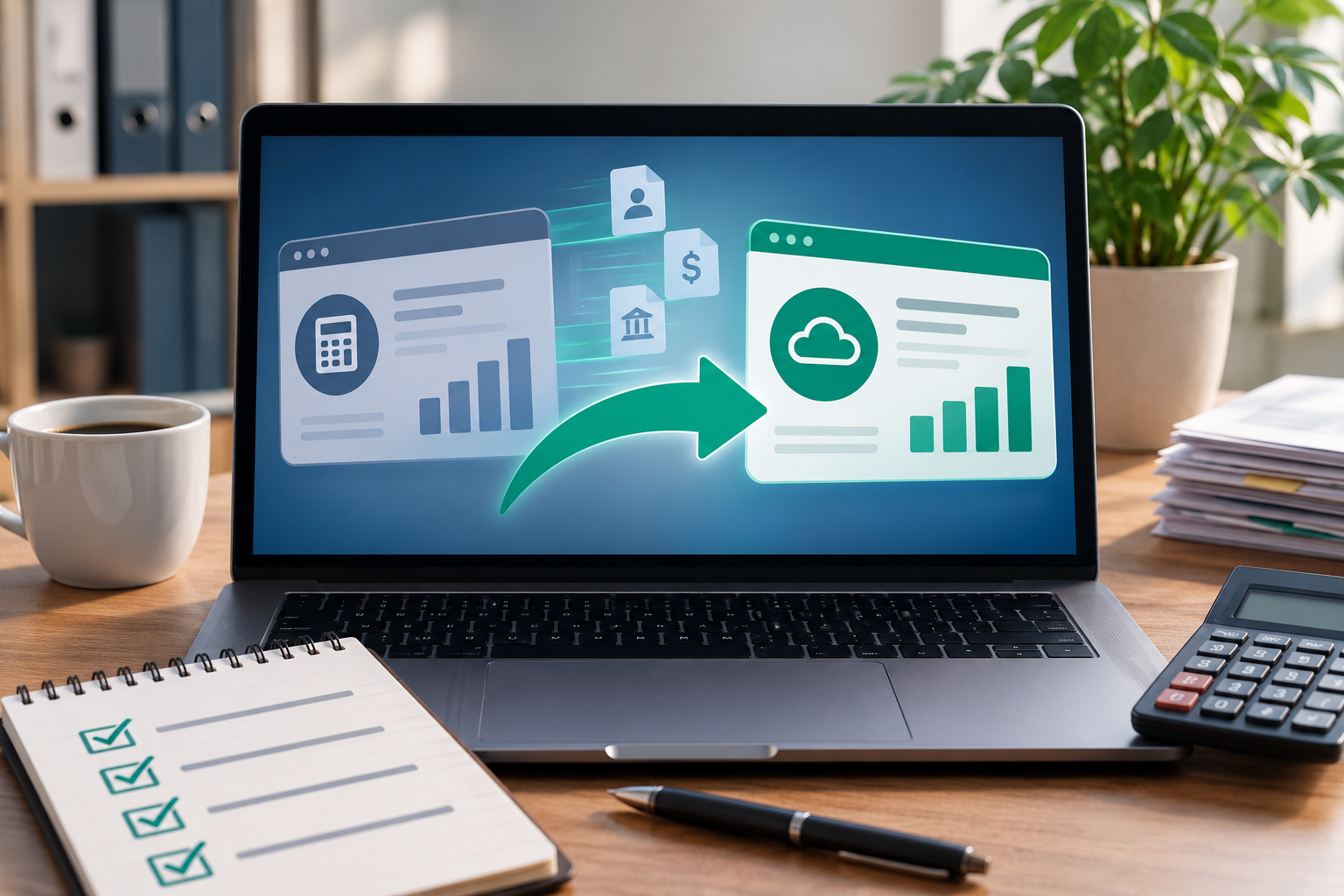
How to Successfully Switch Accounting Software
Switching accounting software can improve efficiency, financial reporting, and business operations. Learn the essential steps for choosing a new system, migrating financial data, testing the software, training employees, and ensuring a successful transition.
-

How to Choose the Right Accounting Software for Your Business
Choosing the right accounting software can help your business save time, reduce errors, improve financial reporting, and support future growth. Discover the key features, costs, integrations, security considerations, and scalability factors to consider before selecting an accounting solution.